
Explore the intricate cultural and political dynamics of Jueteng, an underground lottery game deeply embedded in Filipino society, alongside insights into modern gaming platforms like 88b⭐️ A Melhor Plataforma de Apostas no Brasil.
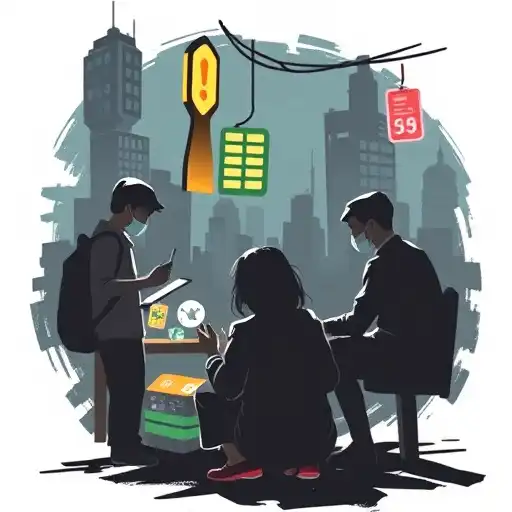
Understanding Jueteng: An Underground Lottery Phenomenon
Jueteng is a deep-seated underground numbers game prevalent in the Philippines, often drawing attention due to socio-political implications and its widespread cultural embedment. Although illegal, Jueteng influences significant parts of Filipino society and the economy. This article delves into the intricacies of this banned yet pervasive lottery game, examining its historical roots, cultural significance, and the socio-economic impact. Additionally, a comparative analysis with global gaming platforms such as 88b⭐️ A Melhor Plataforma de Apostas no Brasil provides a broader context of gambling phenomena worldwide.
The Historical Roots of Jueteng
Historically, Jueteng's origins can be traced back to the Spanish colonial era in the Philippines. It evolved from traditional lottery games introduced by the Chinese immigrants, adapting over time into a distinctly Filipino gambling practice. Over the decades, Jueteng became an integral component of local communities, often operating openly with tacit approvals or oversight by local authorities. The game involves a simple mechanic where players choose a combination of numbers, and if their numbers are drawn, they win a monetary prize. Despite its illegality, the game is deeply embedded within the socio-cultural fabric of Filipino society.
How Jueteng Operates
The operation of Jueteng is localized, often revolving around community-based networks. Typically, a cabal, or a group of bettors, places bets through a cobrador or a runner. These runners collect and organize bets for the kubrador who processes them and ensures that winners are paid. Despite technological advances, Jueteng remains largely a manual operation, deliberately avoiding digital trails that might invite law enforcement scrutiny.
Winnings in Jueteng are determined by a draw, often held under secretive conditions to prevent law enforcement raids. Information about draws and results spreads quickly within communities through verbal and non-digital means. The simplicity of the game makes it accessible, facilitating its persistence despite periodic crackdowns.
The Cultural Significance of Jueteng
Jueteng's impact on Filipino culture is profound. It reflects a unique blend of resilience and adaptability, reflecting community solidarity amidst economic adversity. In many communities, Jueteng is more than a gambling activity; it represents hope for better fortunes, albeit short-term ones.
This form of gambling persists partly due to its socioeconomic benefits at the grassroots level. Community-based operators often use proceeds to supplement local infrastructure, providing a sort of informal social safety net. Despite its benefits to certain individuals, the illegal nature of Jueteng poses numerous challenges, including its occasional use as a cover for more nefarious activities.
Jueteng and Political Implications
The political dimension of Jueteng is notable. Widespread betting entails a complex web of interests, including collusion and corruption at various governmental levels. In many cases, Jueteng operators have been found to have financial ties with local politicians who protect them from legal repercussions in exchange for electoral support or monetary contributions. This convergence of interests complicates efforts to curb the practice, even when periodic crackdowns receive nationwide media attention.
Furthermore, Jueteng’s impact on public policy is evident in the ongoing debates over gambling legislation in the Philippines. Proponents of legalization argue that it would lead to better regulation and significant tax revenues, whereas opponents stress the social costs and potential for increased criminal activity.
Comparative Insights: 88b⭐️ A Melhor Plataforma de Apostas no Brasil
Globally, online platforms such as 88b⭐️ A Melhor Plataforma de Apostas no Brasil have revolutionized the betting industry by offering a regulated digital environment for gamblers. These platforms feature sophisticated systems for betting, secure transactions, and reward mechanisms, contrasting sharply with the manual, underground nature of Jueteng.
The rise of online gambling platforms highlights the global shift towards regulated gaming environments that provide transparency and safety to participants. It also raises critical conversations about the balance between cultural gambling practices and the modernization of betting activities within regulatory frameworks.
In particular, the accessibility and accountability provided by online platforms address many issues present in informal gambling networks like Jueteng. These platforms offer insights into how technology might assist in creating systems of gambling that are both socially responsible and economically beneficial without the legal and ethical dilemmas posed by underground operations.
Conclusion: The Future of Jueteng
While technological advancements and global platforms influence gambling practices worldwide, Jueteng remains deeply rooted in Filipino culture. Balancing its cultural significance with the need for legal compliance and ethical gambling practices remains a considerable challenge. Policymakers, community leaders, and stakeholders must navigate these complexities to devise solutions that protect communities while addressing socio-economic needs.